A wardrobe with more than one story
The familiar disco image—gleaming fabric, dramatic collars, towering shoes—contains a little truth and a great deal of shorthand. Actual dance floors brought together different budgets, identities and ideas of glamour. A tailored suit, a flowing dress, sportswear or an inventive homemade look could all belong to the night.
Black, Latino and LGBTQ+ communities helped shape the spaces in which those choices became visible. Clothing could offer pleasure, confidence and room to experiment with gender presentation. That does not mean every outfit was a political declaration; it means style happened within real social lives, not a costume department.
When borrowing from the period, start with that freedom rather than a checklist. Choose one silhouette or texture that makes you feel present. You are making an outfit for your own evening, not reconstructing a universal disco uniform that never existed.
Let the silhouette do the talking
Flared trousers amplify a small weight shift because the fabric continues moving around the lower leg. Wide-legged tailoring can offer a related effect without requiring an exaggerated bell-bottom. Check the hem with the shoes you will actually wear: fabric dragging beneath a heel is a practical problem, not an authentic detail.
Soft jersey and wrap shapes became important elements of 1970s fashion. Diane von Furstenberg’s wrap dress is a useful reference for how ease and polish can coexist, although it was not a compulsory club garment. Halter shapes, open necklines and fluid shirts offer other starting points.
Try sitting, reaching and taking a full side step before leaving home. If a fastening pulls, a seam restricts you or a neckline needs constant adjustment, change the fit. A pleasing silhouette should support the evening rather than turn it into maintenance work.
Use shine as an accent, not an obligation
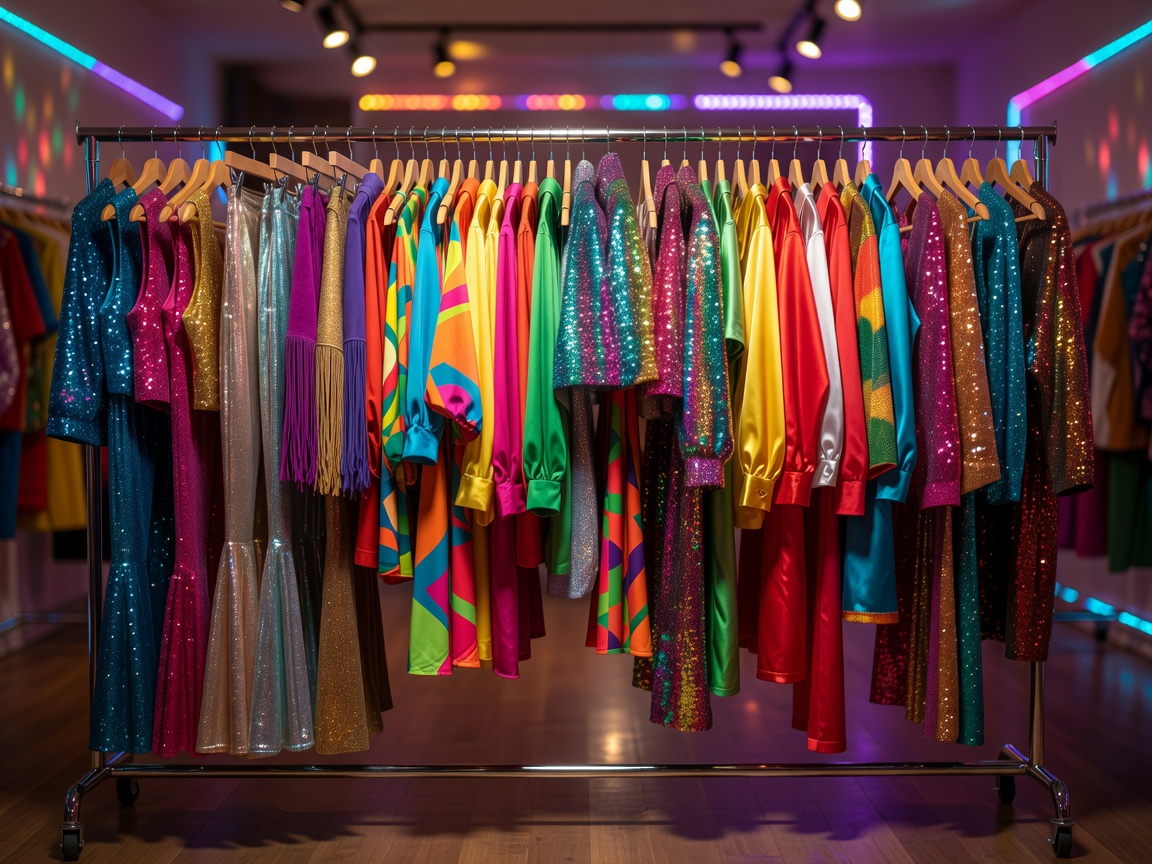
Sequins, metallic finishes and satin respond differently to light. A small reflective detail can become striking in a dim room, while an all-over shiny outfit may feel less comfortable under warm lights. Consider a satin shirt with familiar trousers, metallic earrings with a plain dress, or a scarf that adds movement without catching on other people.
Designer Stephen Burrows is an illuminating reference for fluid jersey, vibrant color and clothes that engage with the body. His work helps shift the conversation away from “more glitter” toward proportion, energy and movement. Look at original fashion photography and museum material when possible, rather than relying entirely on contemporary fancy-dress listings.
Build from the feet upward
Platforms are closely associated with the decade, but they are not a requirement. Stable, well-fitting footwear usually matters more than historical resemblance. Test how your shoes behave on a floor similar to the venue’s: a sole that grips too hard can make turning awkward, while an extremely slippery sole can make an ordinary step unpredictable.
Do not debut an untested pair for a long night. Bring a practical alternative if the venue permits it, and avoid trailing accessories or loose straps. If you use mobility aids, choose clothes and ornamentation that leave grips, wheels and contact points clear.
Borrow thoughtfully and buy less
A secondhand shop can be a source of interesting cuts, but an older garment is not automatically robust enough for an energetic night. Inspect seams, elastic and closures. Alterations may make a well-loved piece more useful; check the fabric before attempting washing or repair.
It is equally reasonable to wear something contemporary. Avoid turning another community’s identity into a party prop, and distinguish personal inspiration from claims of historical authenticity. The aim is not to look as though you have escaped from a film scene. It is to arrive comfortable, expressive and ready to participate in the room.
Find a step that feels like you
Start with weight shifts, floor awareness and a little musical confidence →